





A Federal Institution Running Out of Road
The United States Postal Service has been bleeding money for years, but the financial picture darkening through 2024 and into 2025 carries a different weight. The agency’s losses are no longer cushioned by the surge in parcel deliveries that briefly made it look like a logistics company with a future. Package volume, which spiked during the height of pandemic-era online shopping, has flattened – and the USPS is left holding the bill for a delivery network built around a growth trajectory that never materialized.
The Postal Service reported a net loss of roughly $6.5 billion in its most recent fiscal year, a figure that surprised few inside Washington but alarmed anyone paying attention to how quickly the agency’s financial buffers are shrinking. First-class mail volume continues its long, slow decline – down sharply from its peak two decades ago – and the parcel business that was supposed to replace that revenue has stopped growing at a pace sufficient to matter. The math is not working, and the agency’s path forward is narrowing with each quarterly report.
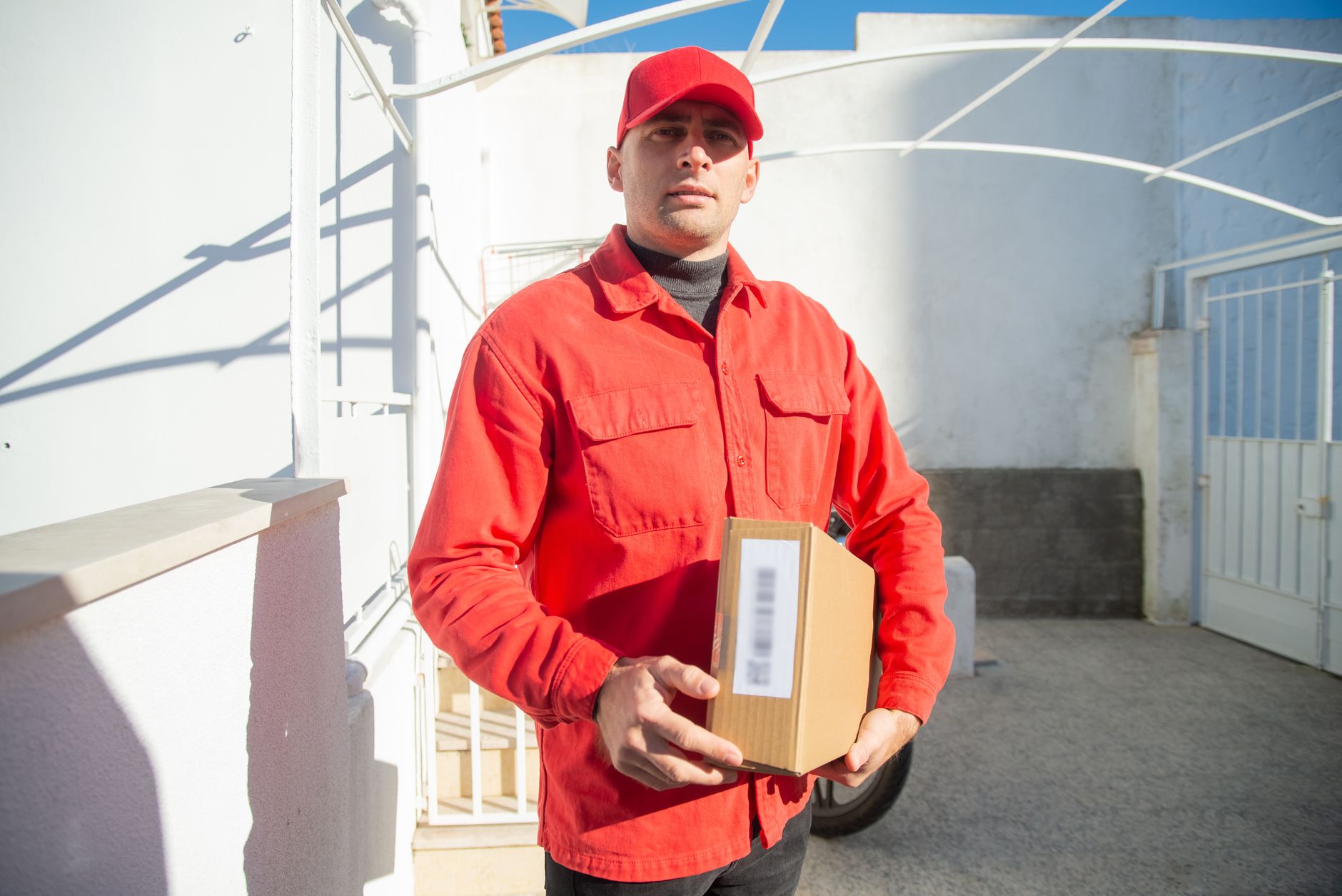
The Package Boom That Wasn’t
For a brief window, parcel delivery looked like the USPS’s salvation. As e-commerce exploded, the agency became a last-mile workhorse for Amazon, Shopify sellers, and a constellation of smaller online retailers. Volume numbers climbed. Revenue climbed. There was genuine optimism – or at least credible optimism – that the agency could remake itself around packages the way it had once been built around letters. That window has largely closed.
The problem is competition. UPS, FedEx, and Amazon’s own logistics arm have not stood still. Amazon, in particular, has methodically built out its delivery capacity to the point where it now handles a substantial share of its own shipments rather than routing them through USPS. That pullback cost the Postal Service meaningful volume at exactly the wrong moment. Meanwhile, regional carriers and gig-economy delivery networks have absorbed smaller e-commerce shippers who once defaulted to USPS on price alone. The USPS still handles an enormous number of packages – it remains a critical infrastructure player for rural delivery that no private carrier wants to serve at scale – but the growth engine has stalled.
What makes the plateau particularly damaging is the cost structure underneath it. The Postal Service operates with obligations that private competitors simply don’t carry. It must deliver to every address in the country, six days a week, at a uniform price. That universal service mandate is also a permanent drag on profitability. A private carrier can walk away from a remote Montana route. USPS cannot. The agency’s labor costs, retiree health benefit obligations, and vehicle fleet expenses are all calibrated around a volume assumption that the market no longer supports.
Postmaster General Louis DeJoy’s ten-year “Delivering for America” plan, rolled out in 2021, proposed a restructuring that would slow first-class mail delivery slightly in exchange for a more cost-efficient network. The plan was controversial and remains contested. Some of the restructuring has happened – regional distribution hubs have been consolidated – but the financial targets embedded in the plan now look ambitious given that package revenue plateaued faster than projected. The plan assumed a version of the parcel market that didn’t hold.

First-Class Mail: A Structural Decline With No Floor in Sight
First-class mail is the product that built the Postal Service and the product that has been in continuous freefall for roughly twenty years. Businesses that once sent invoices, statements, and promotional materials by mail have migrated almost entirely to digital alternatives. Consumers pay bills online, receive bank statements electronically, and rarely send personal correspondence through the post. The volume numbers have dropped so consistently that the decline no longer reads as a temporary trend – it reads as a structural reality with no obvious floor.
The financial logic here is brutal. First-class mail carries among the highest profit margins in the USPS product mix, which is why its decline has been so corrosive. Every piece of standard mail that disappears takes high-margin revenue with it. Packages, by contrast, are more expensive to handle, require larger vehicles, more sorting infrastructure, and door-to-door delivery labor. Swapping letter volume for parcel volume is not a one-for-one exchange in revenue terms, and it has never been. The Postal Service has known this for years. The question was always whether parcel growth would be fast enough to compensate. The answer appears to be no.
What Reform Actually Looks Like
Congress passed the Postal Service Reform Act in 2022, which eliminated a crippling requirement that the agency prefund retiree health benefits decades in advance – an accounting rule that had artificially inflated reported losses for years. That change provided genuine relief and removed a major distortion from the agency’s financial statements. But it did not fix the underlying revenue problem. It cleared the books; it did not change the business.
The harder conversation – one that Washington has reliably avoided – involves what the Postal Service actually should be. Should it expand into financial services, as some proposals have suggested, offering basic banking products through post office branches in underserved communities? Should delivery frequency drop to five days a week, or even fewer, for residential mail? Should postage rates increase faster and more aggressively to close the gap? Each option carries political costs that have made genuine reform difficult to move through Congress. The USPS sits in an unusual position: it is legally required to operate like a business but structurally prevented from making purely business decisions.
The broader freight and logistics sector is dealing with its own margin pressures right now, which matters for the Postal Service because it affects how aggressively private carriers compete for the parcel business USPS still holds. A softer parcel market across the industry may actually reduce some competitive pressure on USPS in the short term – but it also reduces the overall volume available to any carrier, including the one that cannot opt out of unprofitable routes.

The Clock Is Running
The Postal Service has access to a Treasury line of credit and has drawn on it. Its cash position and available borrowing capacity have both shrunk as losses have accumulated. The agency is not on the immediate edge of insolvency, but it is operating with a thinner margin for error than it has had in decades. A significant economic downturn – one that further reduced online shopping and business mail – could accelerate the timeline considerably.
There is no clean version of this problem. The USPS is too embedded in American commerce, healthcare, rural community access, and electoral infrastructure to simply contract its way to health. Rural pharmacies depend on mail delivery for prescription fulfillment. Small businesses that cannot afford private carrier rates depend on flat-rate USPS pricing. Election officials in dozens of states depend on mail ballot infrastructure. Any reform serious enough to meaningfully reduce losses will impose real costs on real constituencies, which is why the agency has managed to get halfway through a decade-long restructuring plan without resolving the core question of what it is supposed to be when the letter-delivery era is over.
For now, the Postal Service keeps running – delivering 425 million pieces of mail a day across a country that increasingly sends those pieces as emails. The gap between what that operation costs and what the market will pay for it has not closed, and there is no proposal currently moving in Congress that would close it.