





The Quiet Data Pipeline Running from Your Shopping Cart to Capitol Hill
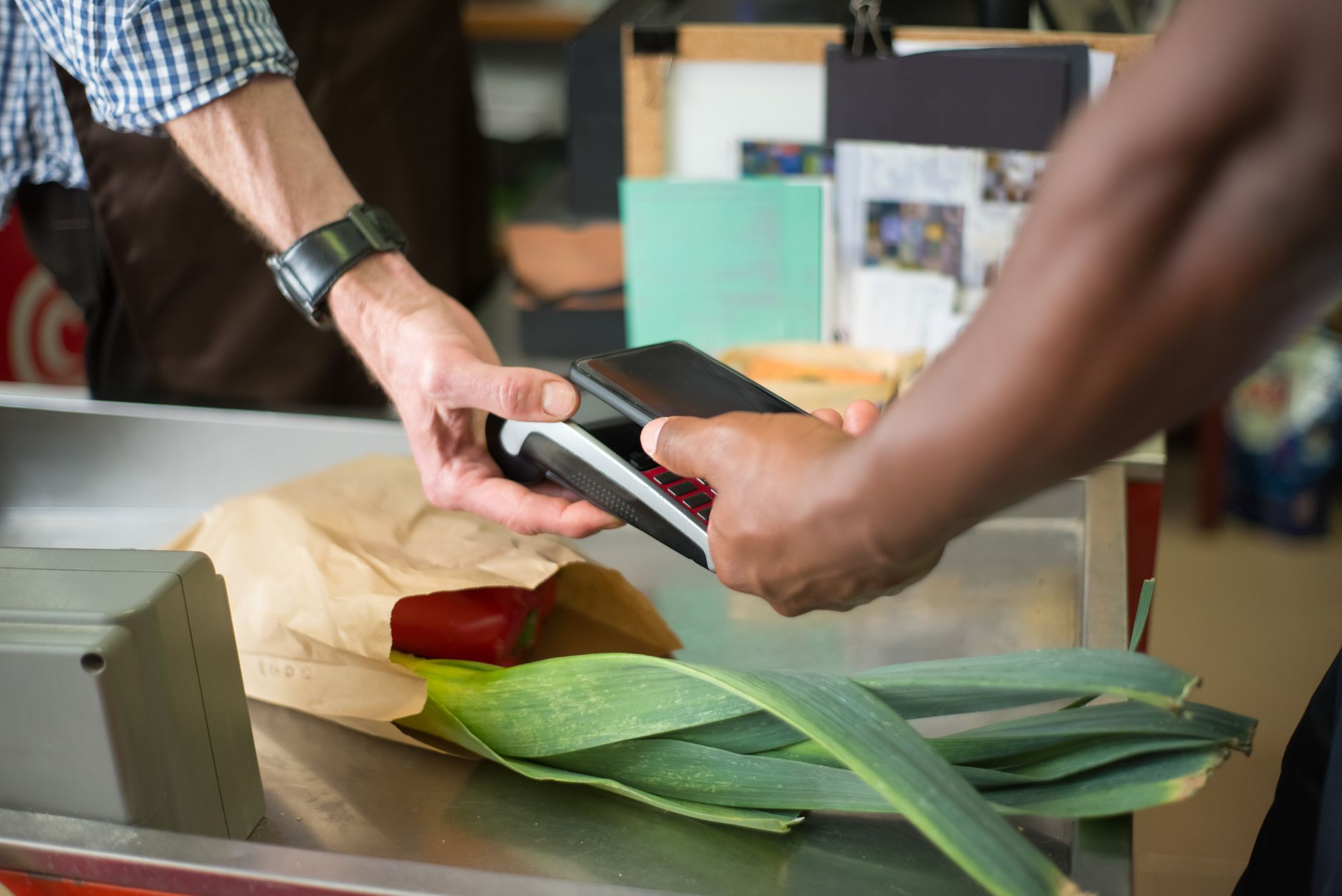
Every time a shopper swipes a loyalty card at the checkout line, they hand over something more valuable than they probably realize: a detailed, timestamped record of exactly what they eat, how often they buy it, and how price changes affect their choices. That data, aggregated across millions of households, has become a powerful input for food policy decisions that most Americans never see being made.
How Grocery Data Became a Policy Tool
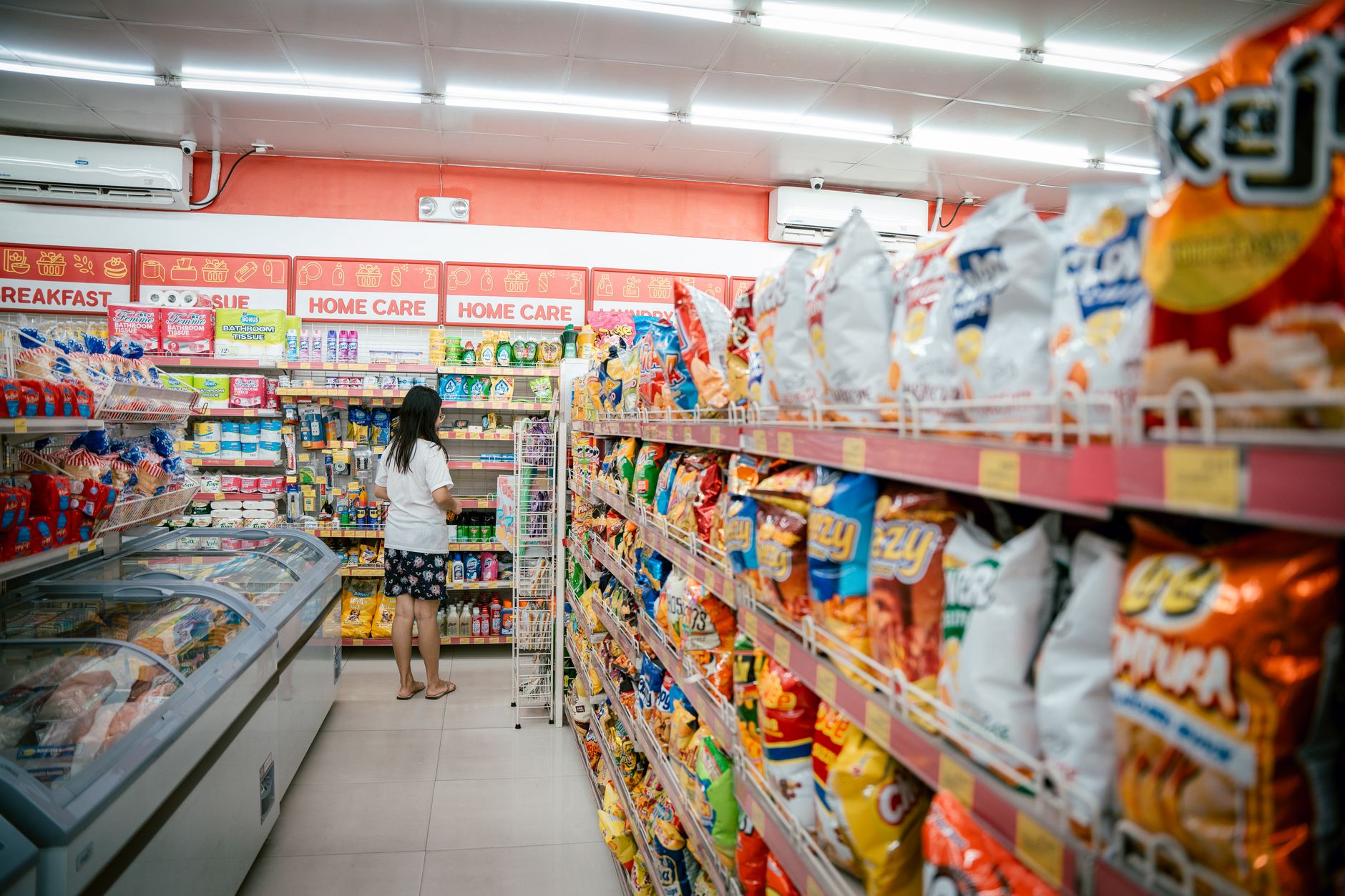
Loyalty programs were originally designed to encourage repeat purchases through discounts and reward points. Retailers collected the data to optimize shelf placement, manage inventory, and target promotions. But the sheer volume and granularity of purchase records created something else entirely: a near-real-time map of national eating habits, broken down by zip code, income bracket, and household size. Government agencies, academic researchers, and public health organizations have been quietly tapping into this dataset for years.
The mechanism works through data-licensing agreements. Grocery chains sell anonymized, aggregated purchase data to third-party analytics firms, which then package it for sale to research institutions, government contractors, and policy groups. The data is technically stripped of personally identifying information, but zip-code-level granularity means the records can still reveal purchasing patterns in specific neighborhoods with enough precision to inform targeted interventions. A public health department trying to understand food access gaps in a low-income area, for example, can pull purchase data showing which categories of fresh produce are actually being bought versus which are simply available on shelves.
The U.S. Department of Agriculture has used similar commercial scanner data for years through its Economic Research Service, tracking what households buy rather than just what they report eating on surveys. Self-reported dietary surveys have well-documented accuracy problems – people consistently underreport less healthy purchases and overreport nutritious ones. Actual transaction data does not lie in the same way. What ends up in someone’s cart week after week is a more honest record than any food diary.
This makes the data genuinely useful for crafting policy around programs like SNAP, the Supplemental Nutrition Assistance Program. When policymakers debate whether to restrict which foods can be purchased with benefits, loyalty card data gives them something concrete to work with: actual purchase distributions across income levels, showing which foods disappear from carts when prices rise and which are treated as non-negotiable staples regardless of cost. That behavioral texture is nearly impossible to get any other way.
The Policy Influence You Are Not Voting On
The influence of this data pipeline extends well beyond academic research. Grocery chains themselves have begun using purchase data to lobby for or against specific food policy proposals. A retailer with loyalty data showing that sugar-sweetened beverage taxes cause measurable substitution behavior – shoppers switching to untaxed alternatives rather than reducing consumption – can bring that evidence to state legislative hearings as a counterargument to proposed tax legislation. The data becomes a lobbying instrument, and the retailer controls both the raw records and the framing of the analysis.
On the other side, public health advocacy organizations have used licensed grocery data to argue for stricter nutritional standards in school lunch programs and federal food assistance. When the data shows that households using SNAP benefits buy roughly the same distribution of sugary snacks as households not using benefits – a finding that has surfaced in multiple research contexts – it changes the political calculus around benefit restrictions. Restricting SNAP purchases to “healthier” items starts to look less like a targeted intervention and more like punishing poor people for eating the same things everyone else eats.
The food industry has its own complicated relationship with the data. Consumer packaged goods companies pay grocery chains directly for access to category-level sales data, and some of that information feeds into lobbying efforts around labeling requirements, serving size standards, and front-of-package health claims. When a major beverage company can show purchase data demonstrating that consumers are already buying lower-sugar options at a rising rate, it can argue against mandatory reformulation requirements on the grounds that market pressure is already doing the work. Whether that argument is made in good faith or as a delay tactic is harder to determine than the data itself.
State-level policy has been affected in ways that rarely make headlines. Several states considering grocery tax exemptions for “healthy foods” have struggled to define what qualifies, and purchase data has been brought in to show that definitions based on nutrient profiles do not map cleanly onto how people actually shop. Granola bars, for instance, often register as a health purchase in survey data but show up alongside candy and chips in the same transactions when you examine actual cart contents. This kind of finding complicates simple policy solutions and, depending on who is presenting it, can either sharpen policy design or stall it entirely.
There is also a geographic dimension that has started shaping federal conversations around food deserts. Traditional definitions of food deserts rely on proximity to a grocery store, but loyalty card data tells a different story in some markets. Households in areas classified as food deserts sometimes show purchase records from stores several miles away, meaning residents are traveling to access food rather than buying locally. This finding has been used to argue that transportation subsidies or mobile market programs may be more effective than simply building new grocery stores in underserved areas – a policy shift with real budget implications at the municipal and federal level.
The Accountability Gap
None of the data licensing arrangements that feed into this policy pipeline are publicly disclosed in any standardized way. A grocery chain can sell anonymized purchase records to a policy research firm, which can then license the analysis to a lobbying group, and none of those transactions need to appear in lobbying disclosures because the chain itself is not directly lobbying. The data moves through intermediaries whose role in shaping policy outcomes is effectively invisible to the public whose shopping behavior generated the information in the first place.
Consumer consent, in the legal sense, is buried in the terms of service agreements that loyalty card members accept when they sign up – documents that almost no one reads and that rarely spell out the downstream uses of purchase history in plain language. The regulatory framework governing this data flow was designed around credit and financial records, not grocery transactions, which means the purchase history sitting in a retailer’s servers has far less legal protection than a credit card statement showing the exact same spending. As more food policy decisions get shaped by data that consumers unknowingly provided, the question of who benefits from that arrangement – and who gets to challenge how it is used – has no clear answer.