




Egg Prices Are Breaking Records Again – and the Calm Is Not Coming
Egg futures on the Chicago Mercantile Exchange have been swinging with an intensity not seen in recent memory, and the cause is straightforward: the supply side of the equation is broken. Avian influenza has ripped through U.S. laying flocks repeatedly since 2022, and each new outbreak resets the clock on flock recovery. Hens that are culled take months to replace – pullets need roughly 16 to 20 weeks to reach laying age – and that biological timeline does not bend to market demand or grocery store frustration.
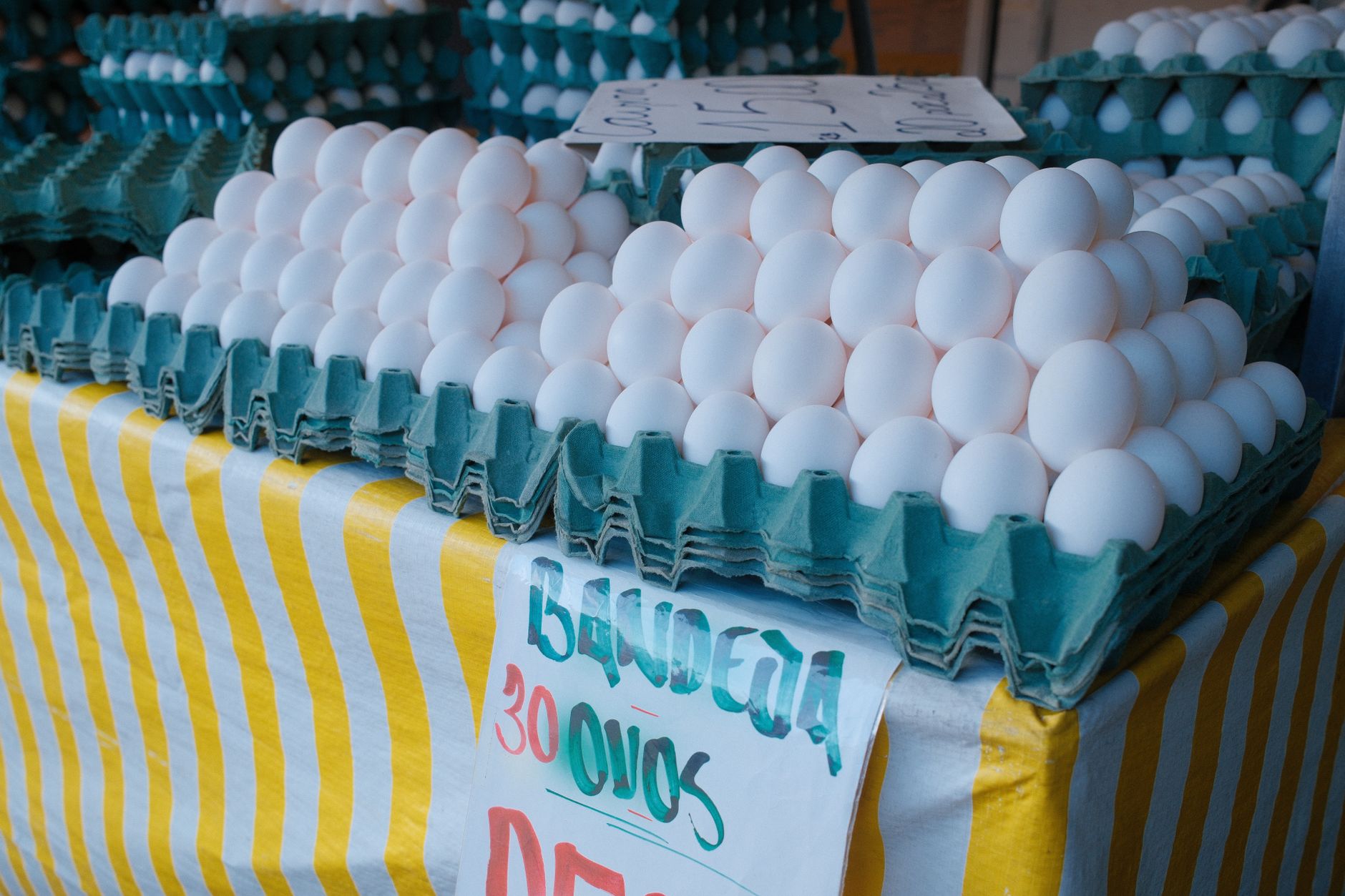
Retail egg prices have responded accordingly. Dozen prices in many U.S. markets surpassed $5 and $6 at various points, and wholesale benchmark prices have made moves that grain and livestock traders typically associate with weather disasters or geopolitical shocks, not protein staples.
The volatility is not noise. It is a structural signal.
Why Flock Recovery Keeps Stalling
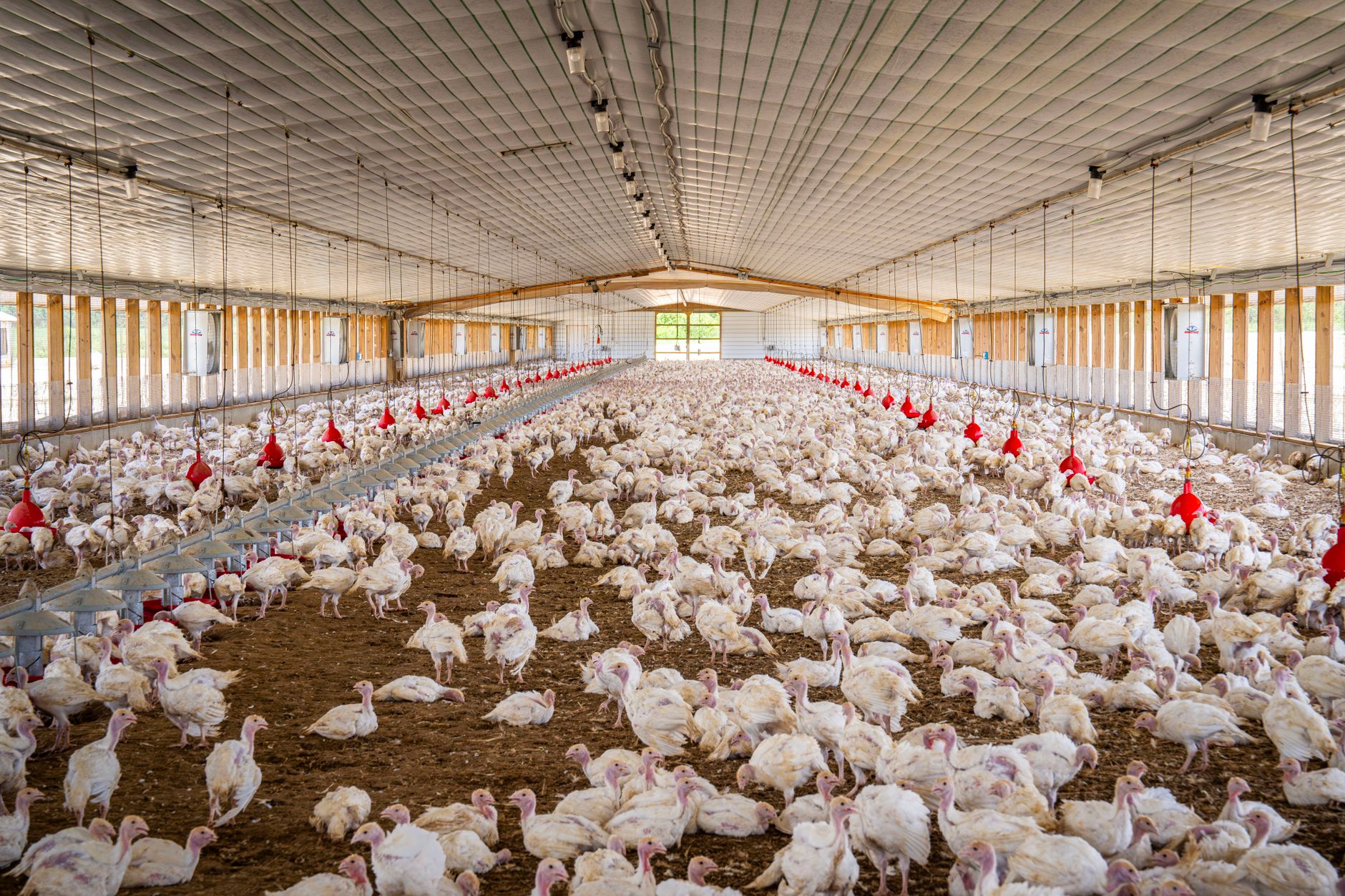
The U.S. table egg industry depends on a continuous cycle of flock replacement. When a commercial operation loses hens to avian flu, the depopulation is immediate and total – regulations require it. But restocking is slow, conditional on biosecurity clearance, and expensive. Replacement pullets cost more than they did two years ago, feed costs remain elevated relative to historical norms, and producers who took losses in prior outbreaks are cautious about scaling back up into a market where another HPAI confirmation could wipe out their investment in weeks.
The USDA has reported multiple waves of highly pathogenic avian influenza affecting tens of millions of birds over the past two years, with cases appearing across migratory bird flyways in ways that make geographic containment difficult. Wild bird populations serve as a reservoir, meaning the threat does not disappear between commercial outbreaks – it circulates, waiting for the next point of contact with a commercial flock. This is the core reason recovery keeps stalling: producers are not rebuilding into stability; they are rebuilding into ongoing risk.
Consumer demand, meanwhile, has not softened in any meaningful way. Eggs remain one of the most affordable complete proteins available, and as grocery prices across the board have pressured household budgets, shoppers have leaned into eggs rather than away from them. That dynamic – rising risk on the supply side, sticky demand on the consumption side – is exactly what keeps futures contracts volatile. Traders are not speculating irrationally. They are pricing genuine uncertainty about whether next month’s supply will look anything like this month’s.
What Futures Volatility Actually Means for Buyers
Egg futures are not widely traded by retail investors, but they matter considerably to the food industry. Large food manufacturers, restaurant chains, and institutional food service operations use futures contracts to hedge input costs. When those contracts swing sharply, hedging becomes expensive and imprecise, which pushes cost uncertainty downstream toward consumers and smaller operators who cannot afford sophisticated risk management tools.
A small diner or bakery buying eggs week to week has no hedge. They absorb whatever the market prints. When wholesale prices spike between delivery cycles, the margin math on menu items priced months earlier collapses quickly. Some operators have responded with surcharges or menu reformulations, but there is a limit to how much of that adjustment customers will tolerate before they change behavior. The broader economic pressure this creates at the small business level is real, and it compounds the strain that food-insecure households already face – food bank systems that were already under pressure before this supply disruption are not positioned to absorb more demand from families priced out of basic groceries.
Futures markets also signal something forward-looking: traders currently see no clear resolution on the supply side. Open interest patterns and the shape of the futures curve tell a story of prolonged tightness rather than near-term normalization. Backwardation – where near-month contracts trade at a premium to later-dated contracts – has appeared during acute shortage moments, reflecting how badly current supply is strained relative to any expected future recovery. That curve shape is not a technical artifact. It is the market’s collective read on how long this imbalance will persist.
The Hard Math Producers Cannot Escape
Even producers who want to rebuild aggressively face a capital constraint that the futures price alone cannot solve. Biosecurity infrastructure upgrades – tighter controls on wild bird contact, enhanced air filtration, worker traffic protocols – cost money that not every mid-size operation has available after consecutive loss years. The industry’s largest integrators can absorb those costs and move faster. Smaller independent egg producers, who represent a meaningful share of regional supply, are in a more precarious position. If they exit, the production capacity does not simply transfer to larger operators overnight. It disappears from the market for months, possibly longer, depending on infrastructure and permitting timelines for new or expanded facilities.
The flock recovery lag is not just a supply statistic – it is a slow-motion squeeze happening at the intersection of biological constraints, capital scarcity, and persistent disease pressure. Until HPAI transmission rates drop materially, or until a viable commercial vaccine clears regulatory approval and reaches deployment at scale, the math for producers does not get easier. And as long as the math stays hard for producers, egg futures will keep moving in ways that make corporate finance teams and diner owners equally uncomfortable.