





The Emptying Aisles
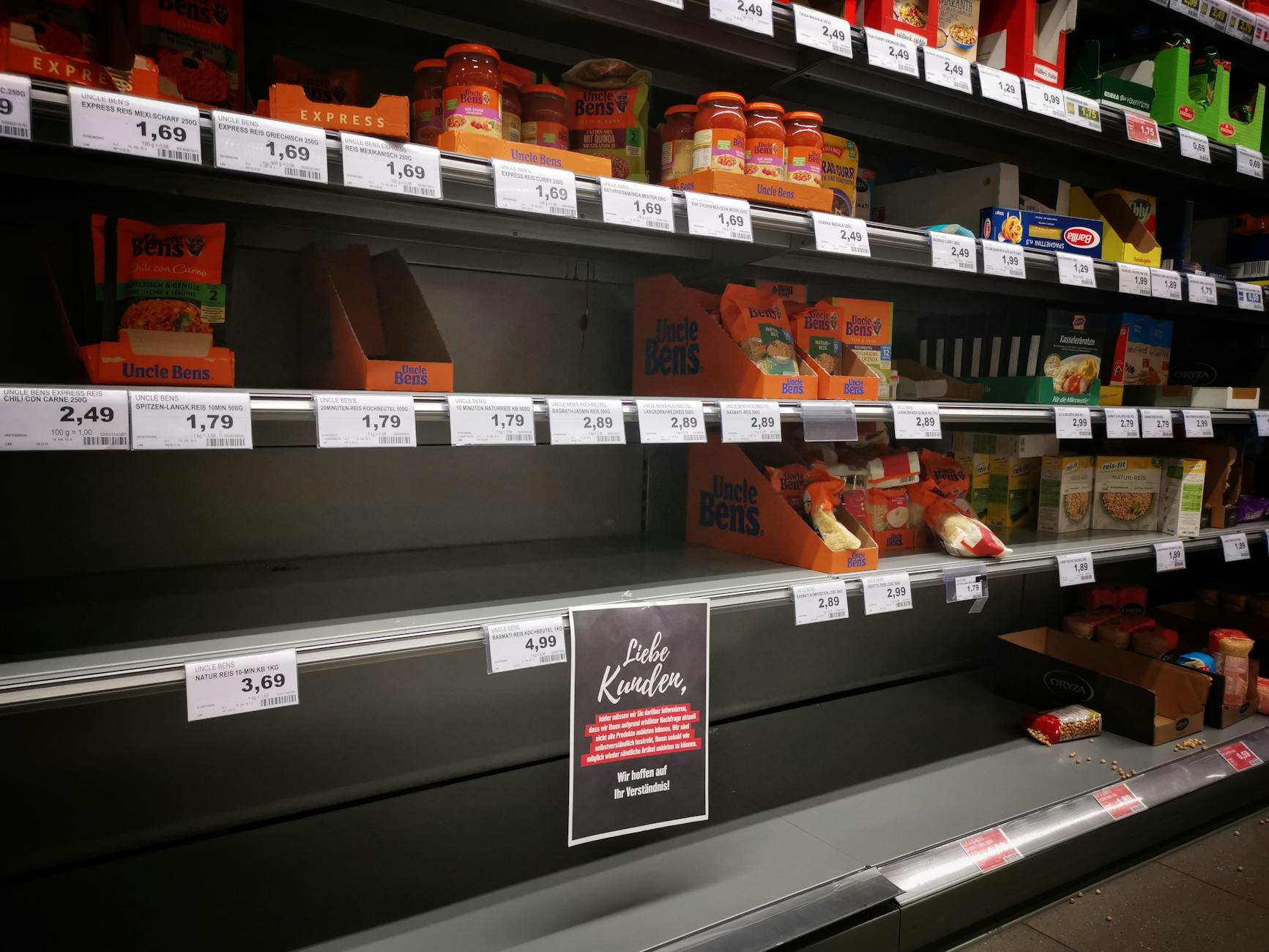
Grocery store closures in low-income urban neighborhoods have been building for years, but the pace has noticeably accelerated since 2022. Major chains have been quietly exiting high-density, lower-income zip codes, citing thin margins, elevated shrink rates, and operational costs that outpace revenue. What gets left behind is not just an empty storefront – it is a neighborhood stripped of its most basic infrastructure.
The pattern is consistent across cities from Baltimore to Detroit to South Los Angeles. A national chain announces a “strategic portfolio review.” A handful of underperforming locations get flagged. Then the closure notices go up, usually with 60 days’ warning, sometimes less. Local officials push back. The company issues a statement about serving communities. The store closes anyway.
No replacement comes.
Why Chains Are Walking Away
The financial logic driving these closures is not complicated. Grocery retail already operates on some of the slimmest margins in any consumer sector – typically between 1% and 3% net profit on a good year. In urban locations with higher lease costs, more frequent theft, and lower average transaction sizes, those margins can turn negative fast. Corporate decision-makers looking at a portfolio of 400 stores do not linger long over a location bleeding cash in a neighborhood that cannot support a $150 weekly basket.
Shrink – the industry term for inventory loss from theft, spoilage, and administrative error – has become a particular pressure point. Retail theft has risen sharply in urban markets, and grocery chains have responded in ways that often accelerate their own exit. Some have locked high-theft items behind cases, reduced hours, cut floor staff, and installed more self-checkout. These measures reduce costs in the short term but also degrade the shopping experience to a point where customers with options go elsewhere. The stores end up serving only those who have no other choice, which further compresses average spend. The spiral tightens.
Private equity ownership has made this dynamic worse in many cases. When a grocery chain is held by a fund optimizing for a 5-to-7-year return, long-term community investment is not part of the calculation. Stores that might be worth keeping open for their role as neighborhood anchors get evaluated purely as line items. A location that breaks even, or requires modest capital investment to modernize, often looks worse on paper than the write-off value of closing it.

What Food Deserts Actually Cost
When a full-service grocery store closes in a low-income neighborhood, the immediate replacement is usually a dollar store, a liquor store, or nothing at all. Dollar stores stock a narrow range of processed, shelf-stable food with limited fresh produce and almost no meat or dairy. They are not a substitute for a grocery store – they are a different category of retail that happens to sell some food products. Residents who relied on the closed store must now travel, and in neighborhoods with limited car ownership and unreliable transit, that travel is genuinely burdensome.
The health consequences compound over time. Access to affordable fresh food is directly tied to diet quality, and diet quality is tied to rates of diabetes, hypertension, and cardiovascular disease – all conditions that are already disproportionately prevalent in lower-income urban communities. The cost of managing those conditions falls on individuals, on Medicaid, and on hospital emergency departments. The grocery chain books its exit as a balance sheet improvement. The neighborhood absorbs the downstream costs for years.
There is also an economic multiplier that disappears with the store. A grocery store employs local workers, draws foot traffic that benefits surrounding small businesses, and serves as an informal community hub. Its closure does not just remove food access – it removes jobs, removes spending circulation, and can accelerate broader retail contraction on the same block. One closure often precedes others.
What Has Not Worked – and What Might
Policy responses have been mostly inadequate. Tax incentives for grocery chains to open or stay in underserved areas have shown mixed results – a subsidy large enough to matter to a major chain is rarely politically achievable, and smaller incentives tend to influence decisions at the margin rather than reverse fundamental economics. Several cities have attempted to attract independent operators as replacements, sometimes with success, but independent grocers face the same margin pressure without the buying power or logistics infrastructure of a national chain.
Community-owned grocery cooperatives have worked in some cities, though they require sustained organizing, patient capital, and management capacity that most neighborhoods cannot quickly assemble after a closure. They are a real model, but not a fast one. Some municipalities have begun treating grocery access as a public utility question rather than a pure market question – exploring direct municipal investment, nonprofit grocery operators, or hybrid models where city-owned real estate reduces the lease burden for operators willing to commit to underserved locations.

The problem will not resolve itself through market correction. The neighborhoods losing grocery stores are losing them precisely because the market has decided they are not worth serving at a profit. Any solution that waits for a chain to re-enter voluntarily is waiting for conditions to change that show no sign of changing – and in the meantime, residents are making do with whatever is left on the dollar store shelf.