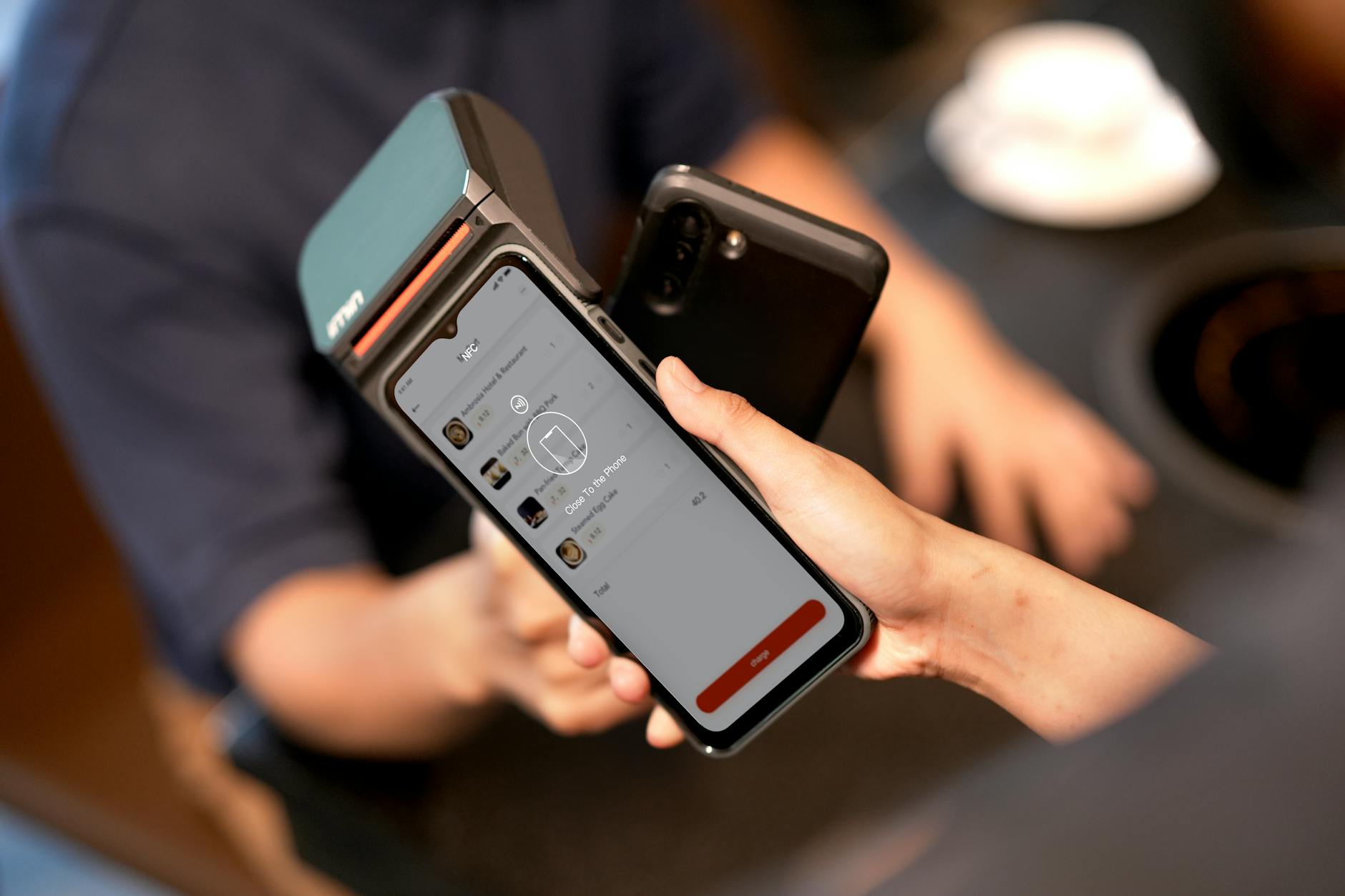





Walk into certain grocery stores today and you might notice something missing: traditional checkout lanes staffed by cashiers. A growing number of major retail chains are testing mobile-only checkout systems that eliminate the need for customers to wait in line or interact with store employees during the payment process.
These experimental programs require shoppers to scan items with their smartphones as they shop, then pay through an app before walking out. The technology represents a significant departure from conventional retail operations, with stores betting that convenience will outweigh the learning curve for customers willing to adapt to a completely digital shopping experience.

The Technology Behind Scanless Shopping
The mobile checkout systems rely on a combination of barcode scanning, weight sensors, and computer vision technology to track purchases. Customers download a store-specific app, scan their phone at entry, then use the device to record each item they pick up. Advanced versions incorporate ceiling-mounted cameras that can detect when products are removed from shelves, automatically adding them to a digital cart.
Payment processing happens entirely through the app, with credit cards, digital wallets, or store loyalty accounts handling transactions in the background. Exit gates verify purchases and allow customers to leave without stopping at a traditional checkout counter. Some locations include random receipt checks to prevent theft, while others rely primarily on technology and statistical sampling to manage loss prevention.
Cost Savings Drive Retailer Interest
Labor represents one of the largest operational expenses for grocery stores, with checkout staff accounting for a significant portion of payroll costs. Mobile-only systems can reduce staffing requirements by eliminating cashier positions and minimizing the need for supervisory personnel during peak shopping hours. This reduction becomes particularly valuable as minimum wage increases and labor shortages continue to pressure retail margins.
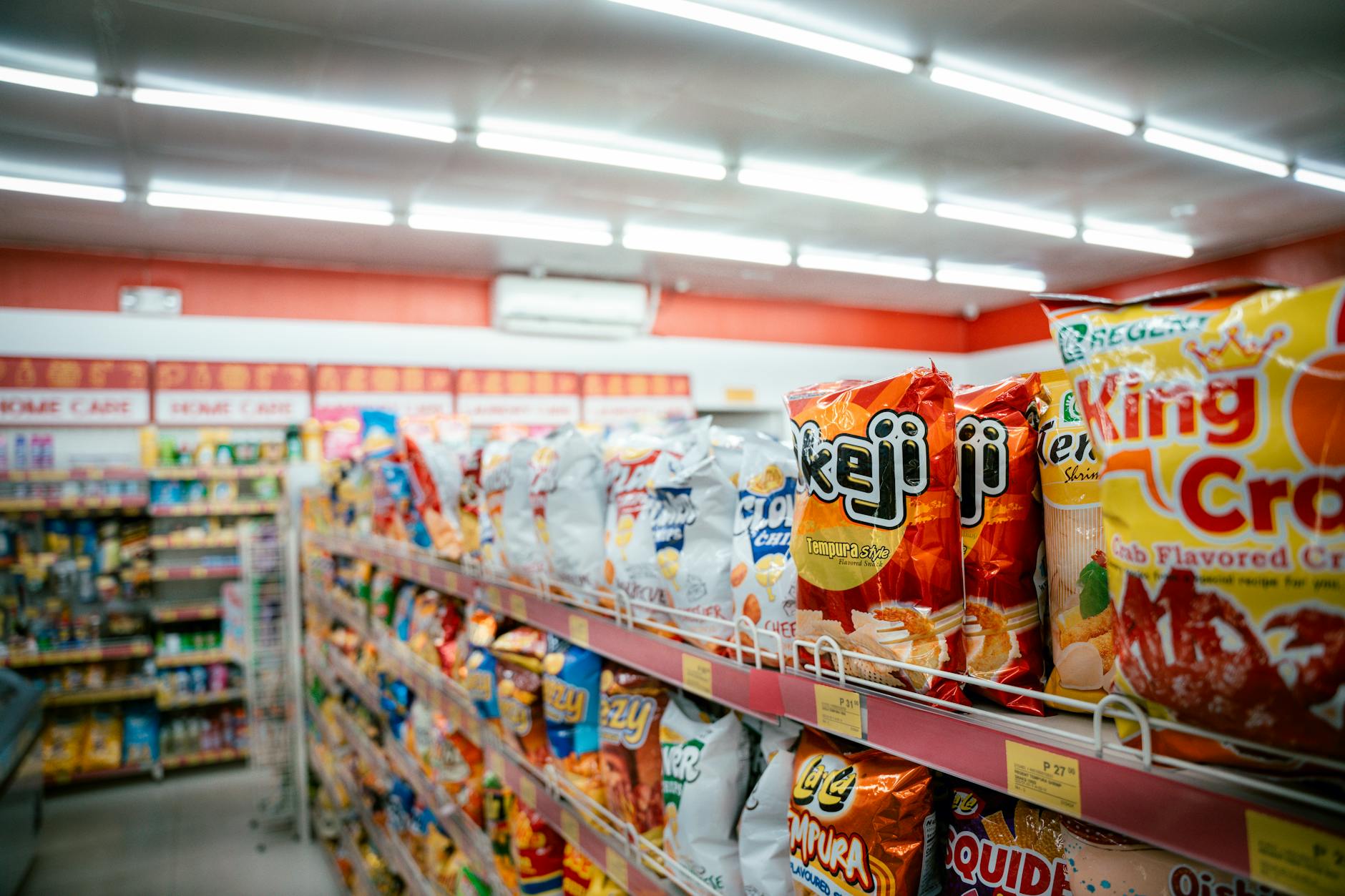
Real estate efficiency also factors into the financial equation. Traditional checkout areas consume substantial floor space that could otherwise house profitable merchandise. Stores can reconfigure layouts to maximize selling area when checkout lanes become unnecessary, potentially increasing revenue per square foot.
Equipment maintenance costs shift from mechanical cash registers and conveyor systems to digital infrastructure and mobile device support. While initial technology investments can be substantial, ongoing operational expenses often prove lower than maintaining traditional checkout equipment and training staff to operate complex point-of-sale systems.
Loss prevention strategies require adaptation, with stores investing in sophisticated monitoring systems and data analytics to identify suspicious shopping patterns. Some retailers report that technology-based theft detection proves more effective than human oversight, though others find that removing the human element creates new vulnerabilities that require additional security measures.
Customer Adoption Challenges
Age demographics heavily influence acceptance rates for mobile-only checkout systems. Younger shoppers often embrace the technology quickly, appreciating the ability to avoid lines and complete purchases without social interaction. Older customers frequently resist the change, preferring familiar checkout processes and expressing concerns about technology reliability.
Smartphone dependency creates barriers for customers without compatible devices or those uncomfortable with app-based shopping. Stores testing these systems typically maintain some traditional checkout options during transition periods, though the long-term goal involves complete conversion to mobile-only operations. Technical difficulties with scanning, connectivity issues, or app malfunctions can frustrate customers and slow adoption rates.
Market Response and Future Expansion
Early test locations show mixed results, with success rates varying significantly based on store demographics, local technology adoption patterns, and implementation quality. Urban locations with younger customer bases generally report higher satisfaction scores and faster conversion rates compared to suburban or rural stores serving older populations.
Competition among grocery chains intensifies as retailers race to implement cost-saving technologies before rivals gain operational advantages. Stores that successfully deploy mobile checkout systems can operate with lower labor costs, potentially offering competitive pricing or improved profit margins that strengthen market position.
The technology requires significant infrastructure investment and ongoing technical support, creating barriers to entry that may favor larger chains over independent grocers. Some smaller retailers explore partnerships with technology companies to access mobile checkout capabilities without bearing full development costs, though these arrangements often limit customization options and increase long-term dependency on external providers.