





The push to unwind tariffs imposed over the past several years has quietly slowed to a crawl, not because of diplomatic deadlock, but because of a fierce and well-funded campaign by American manufacturers who want the trade barriers to stay exactly where they are.
Who Is Pumping the Brakes on Tariff Reform
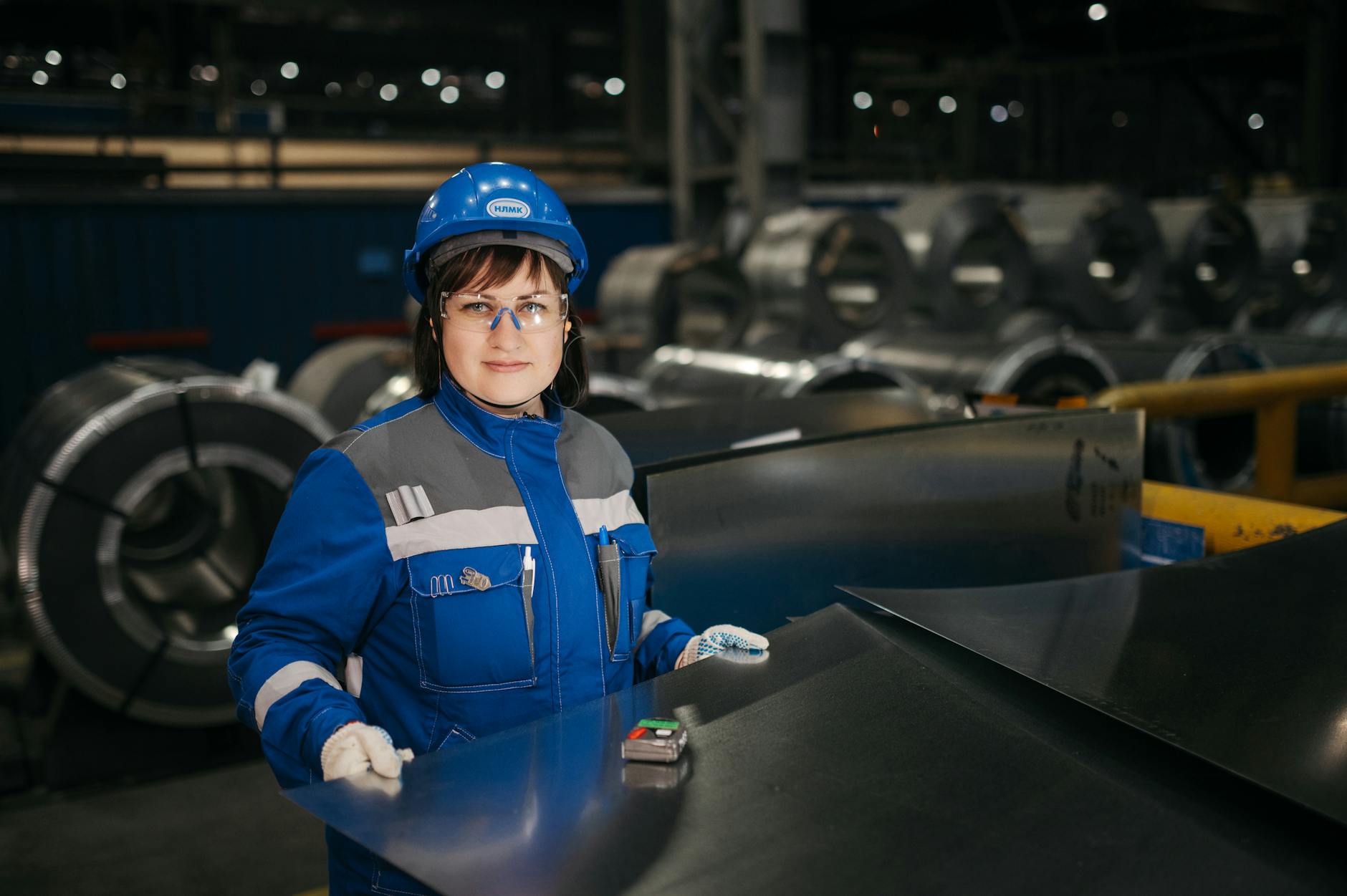
Domestic steel, aluminum, and consumer goods producers have spent heavily on lobbying efforts directed at both the White House and Capitol Hill, arguing that removing tariffs prematurely would gut the competitive advantage that American factories have spent years building. The argument is straightforward: lower import prices make foreign goods cheaper than domestically produced alternatives, and without tariff protection, the math stops working for companies that pay American wages and operate under American environmental regulations.
The lobbying pressure is not coming from a fringe coalition. Trade associations representing manufacturers in steel, semiconductors, solar panels, and appliances have coordinated messaging that frames tariff rollbacks as a threat to national security and supply chain resilience – two concerns that carry real political weight in Washington regardless of which party controls the chamber. The result is a policy environment where lawmakers who might otherwise push for liberalization find themselves caught between consumer pressure on one side and industrial donors on the other.
For consumers, the cost of this standoff shows up at retail. Tariffs on imported goods are not absorbed by foreign exporters – they are paid by American importers and typically passed along to buyers. Appliances, building materials, and electronics all carry price premiums that trace back directly to existing tariff schedules. The fact that those premiums have persisted without generating a major political backlash is itself a sign of how effectively the manufacturing lobby has shaped the conversation, keeping the focus on jobs and factories rather than shopping carts and household budgets.
The Biden administration began its term signaling openness to reviewing Trump-era tariffs on Chinese goods, and the Trump administration’s second term has shown no appetite for removal at all. In both cases, domestic industry groups moved quickly to make the political cost of rollbacks visible – hosting plant tours for lawmakers, publishing employment impact studies through affiliated think tanks, and funding advertising campaigns in manufacturing-heavy swing districts. The strategy has been effective precisely because it is local and concrete, putting faces and zip codes on what would otherwise be an abstract trade policy debate.

The Economics of Keeping Tariffs in Place
The case for maintaining tariffs rests on a logic that is not entirely without merit. When American companies invested in new production capacity – building facilities, hiring workers, retraining supply chains – they did so based on a policy environment that included tariff protection. Pulling that protection away mid-cycle would strand those investments and likely accelerate the offshoring that the original tariffs were designed to prevent. This is the core argument manufacturers are making, and it resonates with policymakers who have staked political capital on reshoring initiatives and domestic manufacturing revival.
What the lobby does not emphasize is that protected industries often face less pressure to innovate. When foreign competition is priced out of the market through tariff walls rather than outcompeted on quality or efficiency, the incentive structure for domestic producers shifts. Margins stay healthy without the hard work of productivity improvement, and over time that can leave an industry less prepared to compete globally when trade conditions eventually change – as they always do.
There is also a distributional question that rarely surfaces in lobby-friendly coverage of this issue. Tariffs function as a tax on consumption, and that tax falls more heavily on lower-income households, which spend a larger share of income on physical goods. The manufacturers lobbying for protections are concentrated operations with owners, shareholders, and executives who benefit from higher margins. The consumers absorbing higher prices are spread across the entire economy, largely unorganized, and rarely represented in trade policy hearings.
The political economy here is almost perfectly designed to produce the outcome we are seeing. A diffuse harm spread across millions of households generates almost no organized resistance, while a concentrated benefit accruing to a specific set of factories and their workers generates highly organized political action. Trade economists have described this dynamic for decades. What is different now is the scale and sophistication of the lobbying infrastructure, which can mobilize grassroots-looking campaigns with professional speed.
Congress has not been passive. Several legislative proposals to create a more systematic review process for existing tariffs have moved through committee stages, only to stall when industry groups applied pressure during floor scheduling. The reviews that have happened tend to be slow, opaque, and heavily weighted toward input from the industries under review rather than the downstream businesses and consumers who pay higher costs as a result. A furniture maker dealing with tariffed lumber and steel inputs has far less political representation in that process than the lumber and steel producers themselves.
Where This Goes From Here
Trade negotiators working on bilateral agreements with allies in Europe and Asia face a specific complication: American partners are increasingly skeptical that any deal struck with Washington will hold long enough to justify adjusting their own supply chains. When domestic lobbying can stall or reverse tariff commitments, the credibility of American trade policy as a durable framework weakens. That credibility gap has real consequences for deal-making, because foreign governments are less willing to offer concessions in exchange for American tariff reductions that may never materialize.
The manufacturers who have lobbied most effectively for continued protection are not wrong that their businesses benefit from it. The harder question is whether that benefit, paid for by everyone who buys their products, is the right trade policy for an economy that still needs to export, needs to attract foreign investment, and needs to manage inflation. Right now, none of those competing pressures have found enough political voice to overcome the organized force of domestic producers who have every reason to keep the status quo intact – and the lobbying budget to match.
Frequently Asked Questions
Why are tariff rollbacks stalling in the U.S.?
Domestic manufacturers have mounted intensive lobbying campaigns arguing that removing tariffs would undermine factory investments and expose American workers to unfair foreign competition.
How do tariffs affect American consumers?
Tariffs are paid by American importers and typically passed on to buyers, raising prices on goods like appliances, electronics, and building materials.