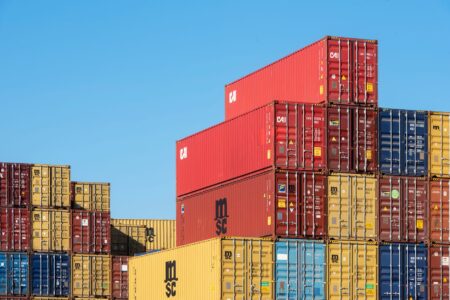




The tariff stockpiling rush that defined early 2025 is losing steam, and the hangover is proving expensive. Importers who front-loaded inventory to beat successive rounds of duties are now sitting on warehouses packed with goods they cannot move fast enough – and the carrying costs are starting to outweigh the tariff savings they chased.
The Math Stops Working
When tariff rates on Chinese goods climbed sharply earlier this year, the calculus for importers seemed straightforward: buy now, store it, sell it at a margin before the duties fully hit. The strategy worked well enough in the short term. Containers flooded into West Coast and Gulf Coast ports ahead of deadlines, and warehouse occupancy rates in major logistics hubs spiked. Some facilities reported wait lists for new tenants for the first time in years.
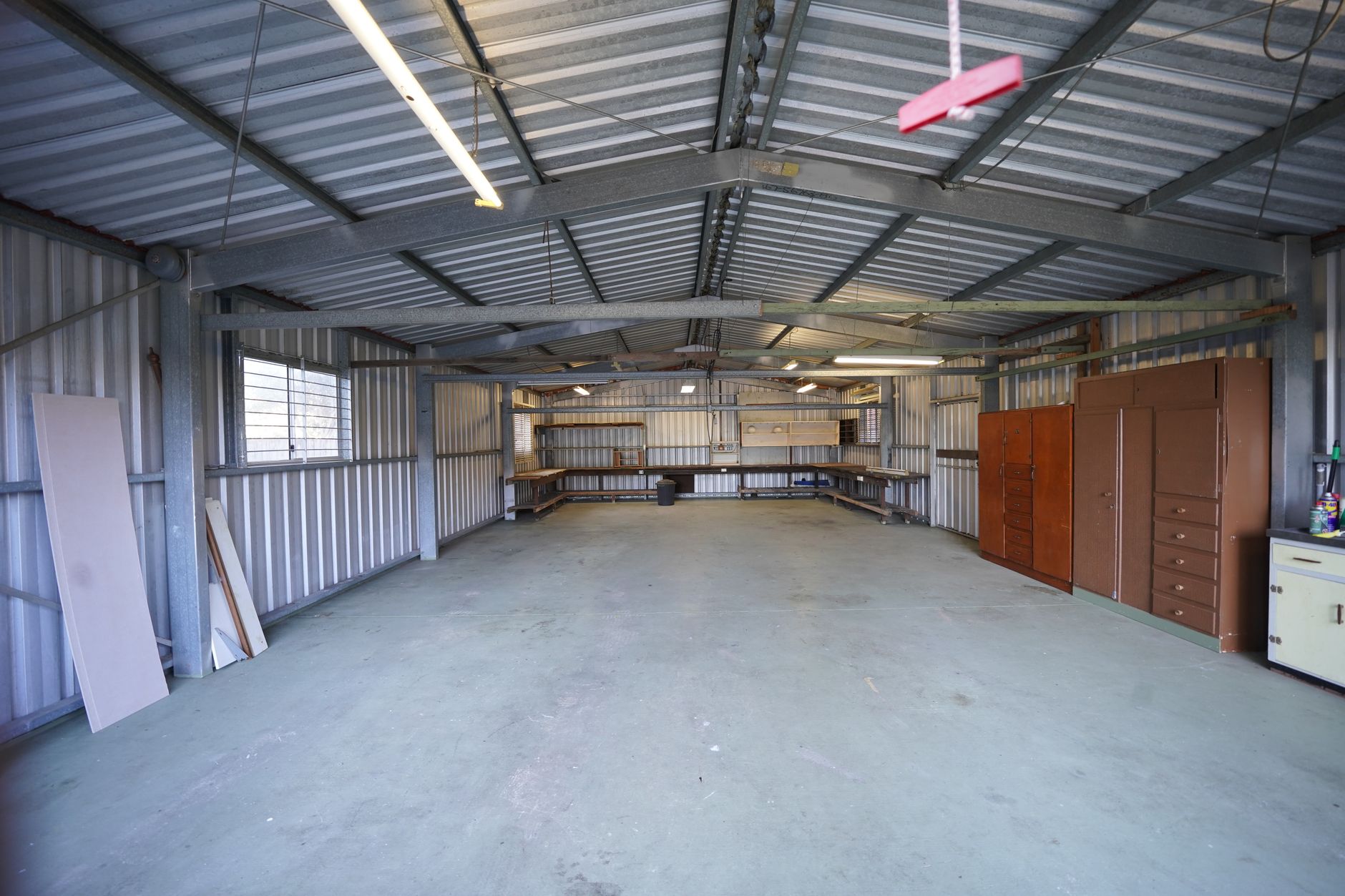
But warehouse economics work against prolonged storage. Monthly carrying costs – covering rent, insurance, labor, and inventory financing – compound quietly until they eclipse the original savings. A company that paid 25% less in duties by buying early may now be spending that margin back across three or four months of storage fees, particularly in high-demand markets like the Inland Empire in California or the Dallas-Fort Worth logistics corridor, where per-square-foot rates have stayed elevated even as broader freight demand softened.
The pressure is sharpest for importers of lower-margin consumer goods: apparel, housewares, small electronics, and seasonal products. These categories have thin enough margins that a few extra weeks of storage can flip a profitable shipment into a break-even or losing one. Unlike industrial components, which can sit indefinitely without degrading, seasonal goods carry the additional risk of becoming obsolete or unsellable if they miss a retail window.
Financing costs add another layer of pain. Many mid-size importers used short-term credit lines or supplier financing to fund the stockpile surge. Those credit facilities are now coming due, and with small business borrowing costs still elevated as rate cuts stall, rolling that debt forward is not cheap. The combination of high storage rates and expensive financing is forcing some companies to liquidate inventory below cost simply to free up cash and space.
Warehouses Caught in the Middle
Third-party logistics operators had a brief moment of pricing power when the stockpiling wave hit. Occupancy surged and short-term contract rates climbed. Now the market is correcting, but not in a clean or orderly way. Some warehouse operators are holding firm on rates, betting that demand will return. Others are quietly offering discounts on long-term leases to lock in tenants before the glut fully unwinds.
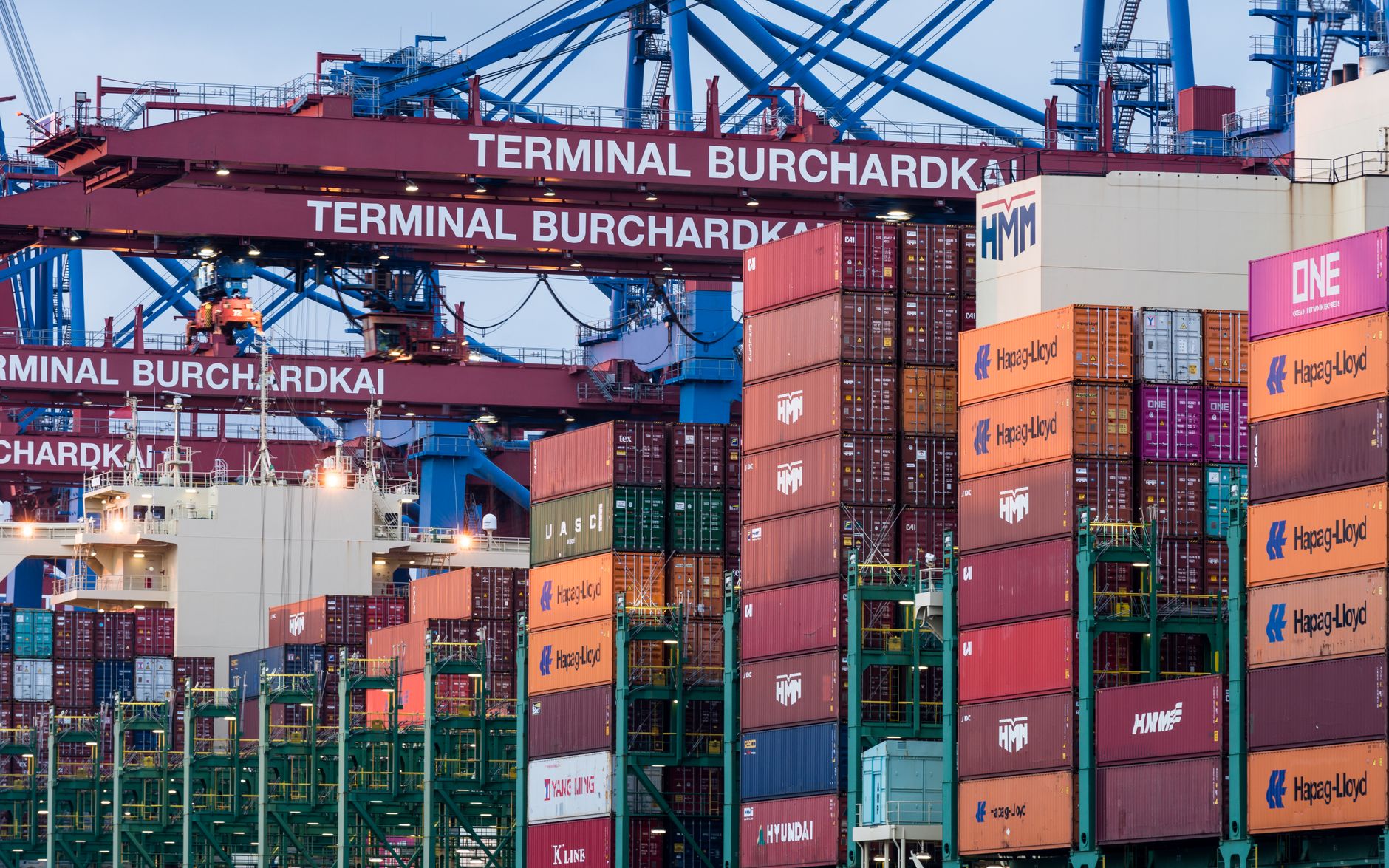
The geographic picture is uneven. Port-adjacent markets – Los Angeles, Long Beach, Houston, Savannah – remain relatively tight because throughput volumes, while lower than peak, are still substantial. But secondary and tertiary markets further inland are softening faster, as importers who expanded their footprint during the rush pull back to core locations. Vacancy is creeping up in markets that had been essentially full for two years.
For warehouse operators, the challenge is managing lease rollover risk. Much of the space absorbed during the stockpiling surge was on short-term or month-to-month agreements – exactly the flexibility importers wanted when uncertainty was high. That flexibility now cuts the other way. Importers can exit quickly, and warehouse owners have limited notice before space comes back empty. Signing new tenants at the same rates is proving difficult when the pool of active seekers has thinned.
Retail buyers are watching this play out with some satisfaction. When importers are carrying bloated inventory and facing rising costs, they become more willing to negotiate on price. Some large retailers are deliberately holding back purchase orders, knowing that the pressure on their suppliers will only increase over the next quarter. It is a buyer’s market in slow motion, and the retailers with the leverage are using it.
The ripple effects reach freight too. Drayage volumes around major ports are softening as new inbound shipments slow. Carriers that benefited from the import surge – even modestly, given that trucking spot rates have stayed depressed as carrier failures mount – are facing a market where even that incremental volume is fading. The freight ecosystem that briefly tightened during the front-loading push is loosening again, and rates are drifting lower across intermodal and over-the-road segments.
What Comes Next for Importers
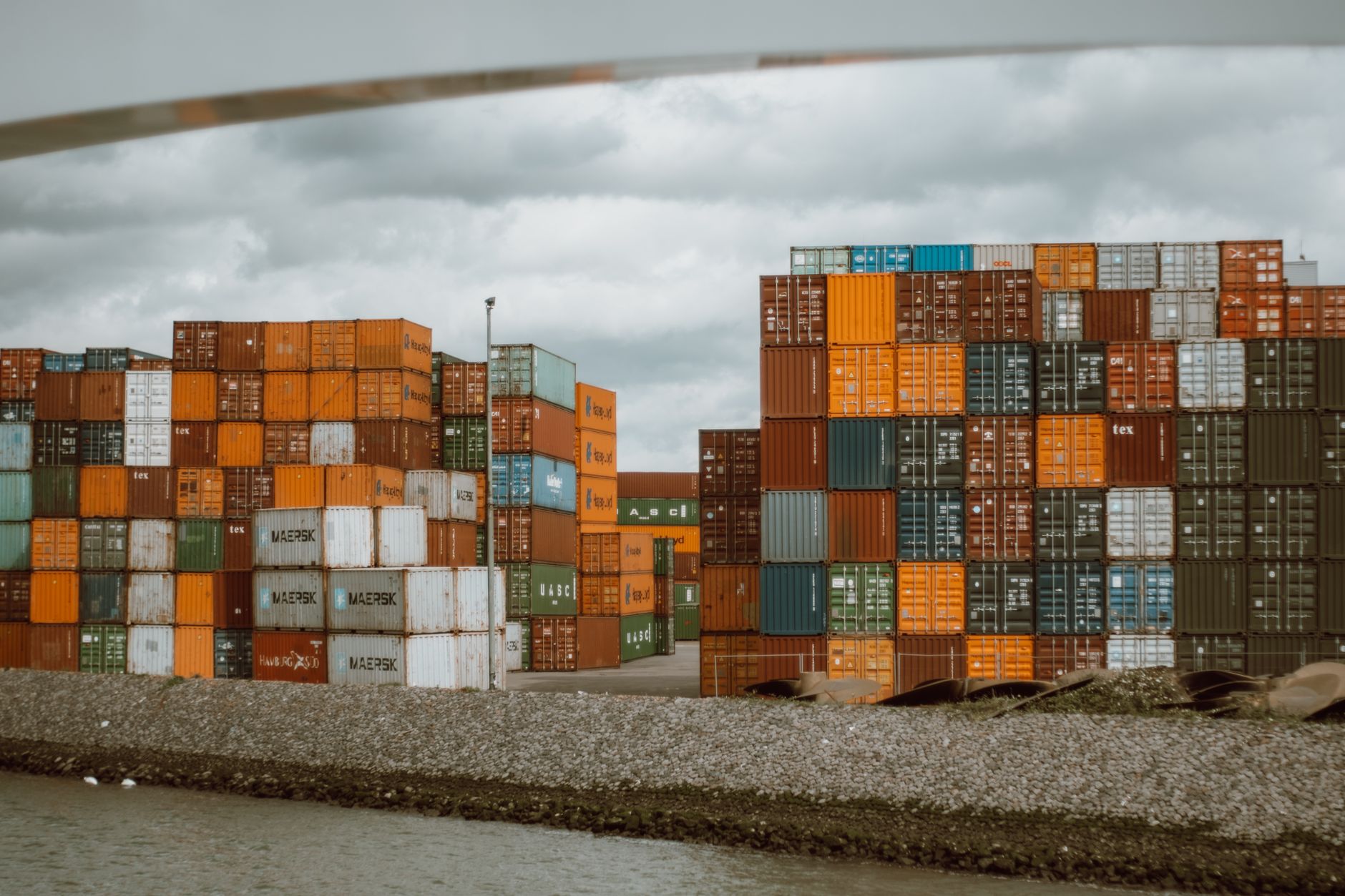
The companies in the worst position right now are those that stockpiled heavily in categories facing weak consumer demand. Discretionary spending has not kept pace with the inventory builds, and there is no obvious catalyst on the near-term horizon to move product faster. Some importers are already in conversations with freight forwarders about redirecting future orders to bonded warehouses or foreign trade zones, where goods can sit duty-deferred until actually needed – a strategy that costs more operationally but avoids the all-in tariff bet that backfired this cycle.
The broader question hanging over the import community is whether this inventory correction will translate into a genuine pull-back in ordering from China and other tariff-affected origins, or whether the next tariff deadline – real or anticipated – will trigger another round of front-loading before the current stockpile is even digested. Importers who burned cash on this cycle may be more cautious. But institutional memory in supply chain management tends to be short, and the fear of being caught without inventory when tariffs land has historically outweighed the fear of carrying too much.