




Top Stories

States are quietly reinstating SNAP asset tests, shrinking food stamp eligibility pools by penalizing modest savings and vehicle ownership among low-income households.







Tariff stockpiling drove a wholesale inventory surge, but the carrying costs – storage, financing, and obsolescence risk – are quietly eroding the savings businesses hoped to capture.

Flood insurance premium spikes under FEMA’s Risk Rating 2.0 are quietly derailing coastal home sales as buyers face quotes that can triple overnight.

A federal hiring freeze leaves contracting offices understaffed, creating backlogs that drive up contractor costs and ultimately burden taxpayers through higher rates and emergency procurement.

Private credit funds have raised over $1.4 trillion, displacing banks as middle-market companies seek faster, more flexible financing solutions.




Tariff stockpiling drove a wholesale inventory surge, but the carrying costs – storage, financing, and obsolescence risk – are quietly eroding the savings businesses hoped to capture.
Flood insurance premium spikes under FEMA’s Risk Rating 2.0 are quietly derailing coastal home sales as buyers face quotes that can triple overnight.
A federal hiring freeze leaves contracting offices understaffed, creating backlogs that drive up contractor costs and ultimately burden taxpayers through higher rates and emergency procurement.
States are quietly reinstating SNAP asset tests, shrinking food stamp eligibility pools by penalizing modest savings and vehicle ownership among low-income households.

Proposed USDA commodity cuts threaten to strip a critical layer from food bank supply chains, with regional networks already modeling worst-case distribution scenarios.

SBA loan approval rates are quietly declining as rate uncertainty pushes lenders to tighten standards, hitting small business owners hardest.

Disability insurance claim delays are quietly eroding household income recovery, forcing workers to drain savings and accumulate debt while waiting months for benefits to begin.
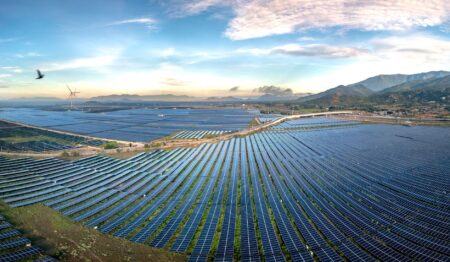
Rising solar panel tariffs are straining community solar developers, delaying projects, and eroding the subscriber discounts that made the model work for low-income households.