




When Construction Stops, Something Else Starts
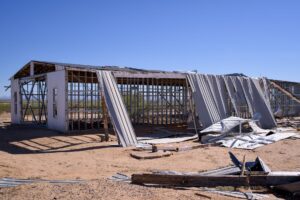
Copper scrap theft tends to spike not during boom times, but when construction activity cools and jobsite traffic thins out. The pattern has repeated itself across multiple economic cycles, and the current slowdown in residential and commercial building is proving no exception.
The Mechanics Behind the Theft-Slowdown Connection
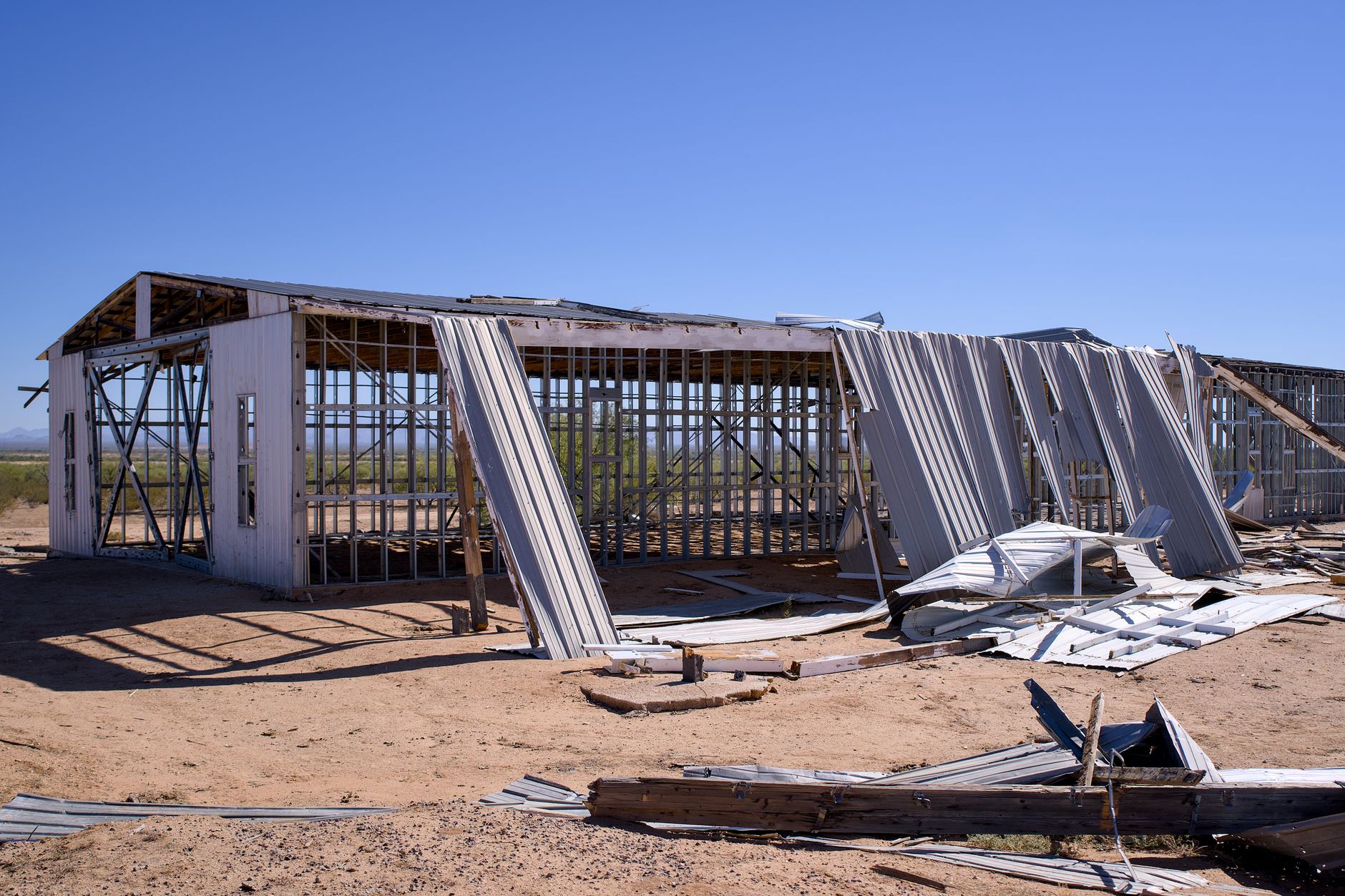
When construction projects stall, idle sites become easy targets. Unfinished buildings sit with copper wiring, plumbing fittings, and HVAC components partially installed – valuable material with minimal security presence. A site that had 40 workers on it six months ago might now have a single weekend watchman, if that. The deterrence that comes with daily activity simply disappears when funding dries up or permits get delayed.
Copper’s appeal to thieves is straightforward: it is easy to strip, easy to carry, and easy to sell. Scrap metal dealers, particularly smaller independent yards, have historically faced limited regulatory pressure to verify the origins of incoming material. A thief can walk in with stripped wiring and walk out with cash, often within minutes. That liquidity makes copper different from, say, lumber or drywall, which are bulkier, harder to move quickly, and far less universally accepted as fast cash at a local yard.
The price of copper on global commodity markets adds another layer to this. When copper prices stay elevated – as they have during stretches of the past few years, driven by demand from electric vehicle manufacturing and grid infrastructure investment – the theft economics improve for anyone willing to take the risk. A single night’s work stripping wire from a vacant apartment building can yield several hundred dollars in scrap value. For someone in an economically distressed situation, that calculation shifts considerably.
Construction slowdowns also concentrate theft in specific geographic pockets, which makes the trend harder to track nationally but unmistakable at the local level. Areas that saw aggressive residential development between 2020 and 2022 – Sun Belt cities, suburban rings around major metros, mid-size markets that drew remote workers – are now sitting on a larger inventory of paused or abandoned projects than regions where building was more measured. Those same areas are now seeing the theft complaints pile up at local police precincts.
Who Pays and How Much It Actually Costs
The cost of copper theft lands on multiple parties simultaneously, and the distribution is uneven in ways that often go unnoticed. Property developers and general contractors absorb the immediate replacement cost, but insurance claims follow quickly behind. Insurers then recalibrate premiums for vacant or under-construction properties, which raises carrying costs for the developer on whatever project comes next. That chain reaction is slow enough to be invisible in a quarterly earnings report but real enough to show up in the risk modeling that insurers use when pricing construction-phase coverage.
Utilities take significant losses too. Theft from electrical infrastructure – substations, transformer stations, overhead line equipment – can knock out power to neighborhoods for hours or days while crews make emergency repairs. The repair cost itself is manageable; the liability exposure and the regulatory pressure that follows a prolonged outage is considerably less so. Utilities have lobbied in multiple states for stricter scrap dealer regulations partly because of this, with mixed success.
Local governments are not immune. Copper theft from street lighting systems, traffic signal boxes, and municipal buildings has been documented in cities from Detroit to Phoenix. When a stretch of road goes dark because signal control wiring was stripped overnight, the city pays for emergency repair crews, and if an accident occurs in the interim, the liability question becomes more complicated. Budget-strained municipalities are often the least equipped to respond quickly.
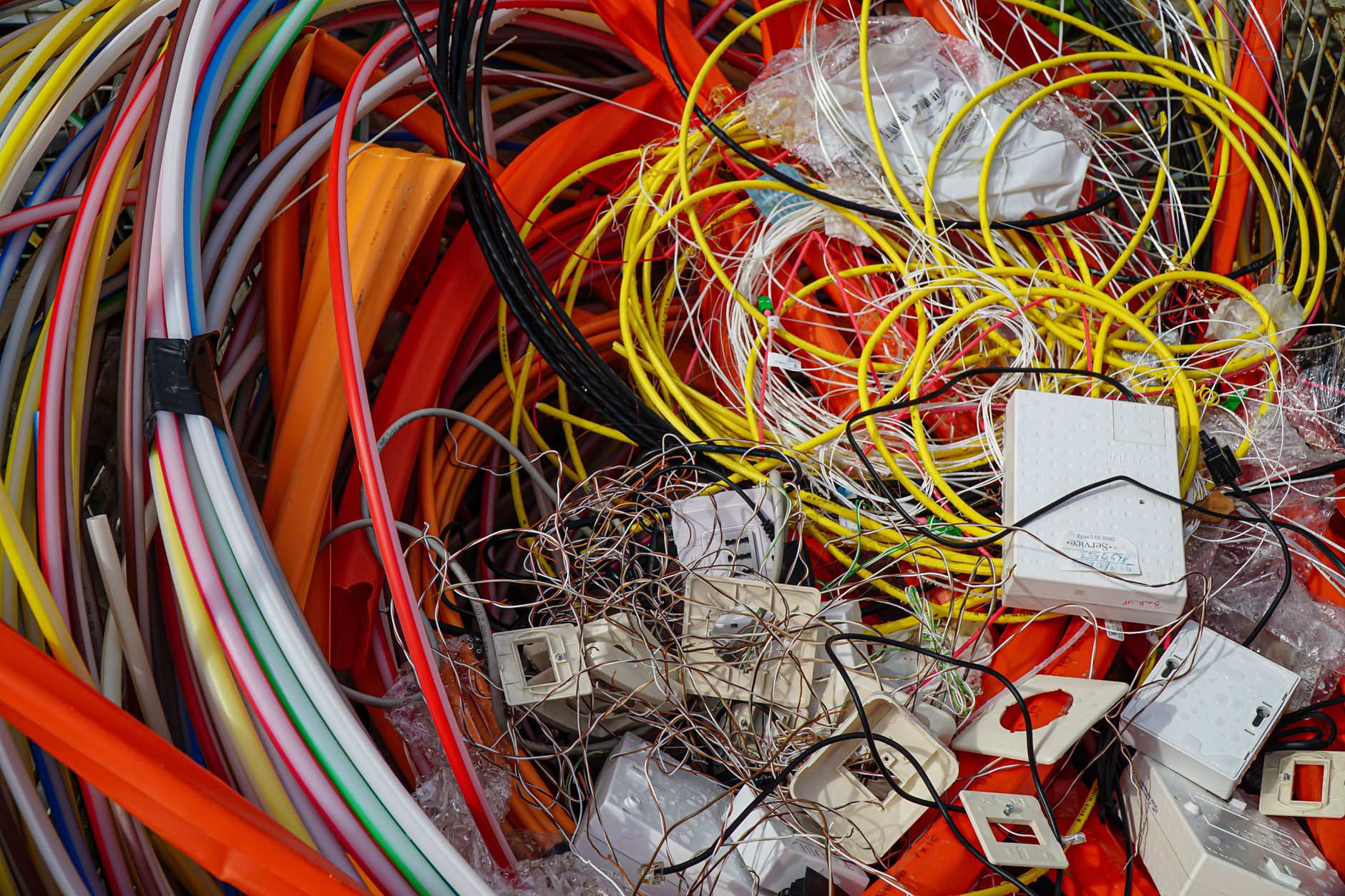
Replacing copper after theft is not simply a matter of buying more wire and calling it done. When wiring is stripped from a partially completed structure, the damage to surrounding materials – insulation, conduit, junction boxes, sometimes structural elements – often exceeds the raw value of the copper itself. Contractors have to re-inspect entire electrical systems before recertifying them, which means additional labor, additional permitting in some jurisdictions, and additional delays to an already-stalled timeline. One theft incident can push a project completion date back by weeks.
The downstream effect on housing supply, while difficult to isolate from other factors, is real. In markets where affordable housing construction is already struggling with financing gaps and zoning delays, repeated theft on a single site can be enough to push a project into financial restructuring. Lenders watch draw schedules closely, and unexpected costs that require budget reallocation raise flags. A project that looks marginal on paper looks considerably worse after two or three theft incidents have drained its contingency reserve.
What the Response Has Looked Like – and Why It Falls Short
Several states have tightened scrap metal dealer regulations in direct response to theft surges, requiring dealers to photograph sellers, record license plates, and impose waiting periods before paying out on certain materials. California, Texas, and Georgia have all passed or updated such laws in recent years. The intent is reasonable, but enforcement is inconsistent and the secondary market – including online platforms and out-of-state sales – provides enough workaround that determined thieves adapt quickly. Legislative action at the state level tends to lag the theft cycle by two to three years, meaning the law catches up just as the economic conditions shift again.
Technology-based deterrence has gained traction on higher-value sites – GPS trackers embedded in copper fittings, motion-activated cameras with remote monitoring, and even chemical markers that can identify stolen material when it reaches a scrap yard. But those solutions cost money that smaller developers and cash-strapped municipalities often do not have. The sites most likely to be targeted are frequently the ones least equipped to defend themselves, and that imbalance is not going to close simply because better tools exist somewhere on the market.