




Top Stories

Rising Dollar General foot traffic in rural and low-income areas signals growing recession pressure on Main Street households long before official data catches up.







Egg carton shortages are disrupting school lunch supply chains, forcing districts to swap fresh eggs for pricier processed substitutes and straining already tight nutrition budgets.

USPS delivery slowdowns are disrupting mail-order pharmacy access for rural patients who depend on postal prescriptions as their only viable option.

State Medicaid audits are targeting hospital staffing agency markups, uncovering hidden costs that may have inflated public healthcare spending for years.

Private credit funds have raised over $1.4 trillion, displacing banks as middle-market companies seek faster, more flexible financing solutions.



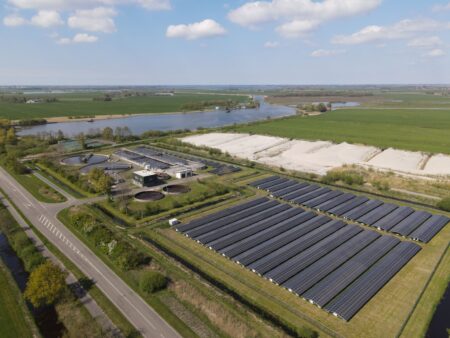
A new brokerage market has formed around renewable energy tax credit transfers, connecting energy developers with corporate tax buyers at discounts that beat most fixed-income alternatives.

Construction labor shortages are stalling affordable housing completions nationwide, driving up costs and threatening tax credit deadlines as skilled worker gaps worsen.

Flood insurance renewal gaps leave coastal homeowners fully exposed – even brief lapses void all coverage, and FEMA assistance rarely fills the financial hole.

Small manufacturers are cutting staff as foreign buyers pull back and export order books thin, hitting skilled tradespeople hardest and straining regional labor markets.

Commercial rents are climbing faster than wages, leaving small tenants unable to afford renewals and storefronts sitting dark across many U.S. markets.

Corporate meal deduction limits have quietly shrunk, reducing the tax incentive for business catering spending and putting pressure on restaurant revenue that depended on office accounts.

Commercial insurance rate hikes are hitting nonprofit budgets hard, forcing service cuts as premiums outpace fixed grant funding and contract cycles.

Private equity-backed dental groups are buying up rural practices, leaving patients with longer drives, fewer providers, and less continuity of care.