




Top Stories

Rising Dollar General foot traffic in rural and low-income areas signals growing recession pressure on Main Street households long before official data catches up.







Egg carton shortages are disrupting school lunch supply chains, forcing districts to swap fresh eggs for pricier processed substitutes and straining already tight nutrition budgets.

USPS delivery slowdowns are disrupting mail-order pharmacy access for rural patients who depend on postal prescriptions as their only viable option.

State Medicaid audits are targeting hospital staffing agency markups, uncovering hidden costs that may have inflated public healthcare spending for years.

Private credit funds have raised over $1.4 trillion, displacing banks as middle-market companies seek faster, more flexible financing solutions.


PBM reform keeps stalling in Congress while drug costs shift onto employers, patients, and independent pharmacies with few legal protections in place.
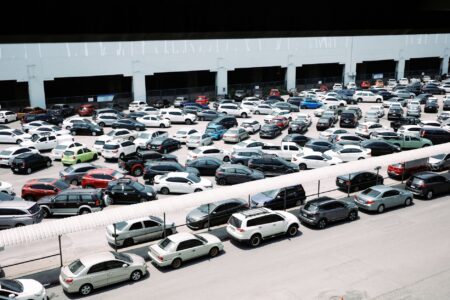
Subprime auto loan delinquencies are hitting decade-highs as borrowers who financed used cars at peak prices fall behind. The cracks are spreading into ABS markets.
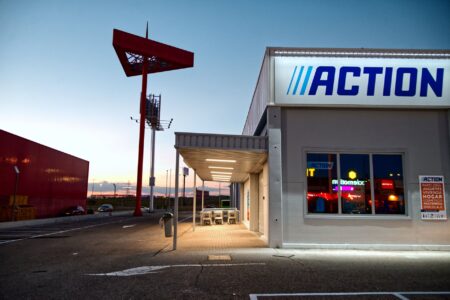
Retail lease defaults are rising across strip malls as thin-margin tenants face rent hikes, higher costs, and softening foot traffic – leaving landlords with few options.

Major pharmacy chains are closing locations fastest in low-income and rural areas, leaving patients without access to prescriptions and driving up downstream healthcare costs.
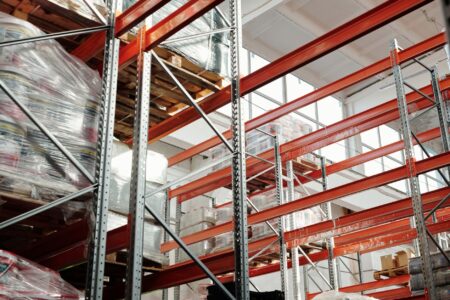
Warehouse sublease space is piling up across major U.S. distribution markets, signaling the inventory correction that began after the pandemic-era stockpiling frenzy is far from resolved.

Trucking spot rates have fallen sharply, squeezing small carrier cash flow through rising fixed costs, fuel expenses, and a persistent capacity glut.

Rail freight volume declines across multiple commodity categories point to softening industrial demand, raising questions about the broader health of the physical economy.

Tariff unpredictability is quietly stalling small business capital spending as owners defer equipment and expansion investments while waiting for stable trade policy.