




Top Stories

Rising Dollar General foot traffic in rural and low-income areas signals growing recession pressure on Main Street households long before official data catches up.







Egg carton shortages are disrupting school lunch supply chains, forcing districts to swap fresh eggs for pricier processed substitutes and straining already tight nutrition budgets.

USPS delivery slowdowns are disrupting mail-order pharmacy access for rural patients who depend on postal prescriptions as their only viable option.

State Medicaid audits are targeting hospital staffing agency markups, uncovering hidden costs that may have inflated public healthcare spending for years.

Private credit funds have raised over $1.4 trillion, displacing banks as middle-market companies seek faster, more flexible financing solutions.




Hotel developers face mounting debt stress as business travel demand plateaus, leaving floating-rate construction loans unpaid and urban properties underperforming their original projections.

Cargo insurance premiums are climbing across major trade routes as piracy, conflict, and rerouting combine to force insurers to reprice risk at scale.
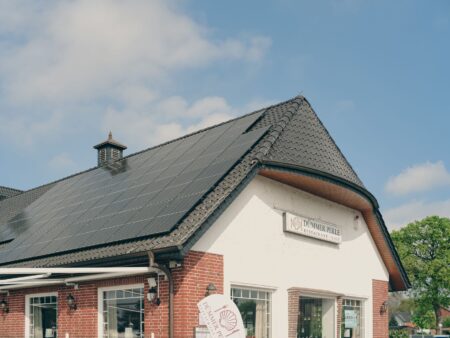
Solar installer bankruptcies are rising as delayed federal tax credit guidance leaves companies unable to secure financing or reliably monetize IRA credits.

Defined-benefit pension obligations from longshoremen union contracts are quietly draining small port authorities, forcing cuts to infrastructure and threatening regional economic stability.

SBA loan demand is cooling while small business closures quietly accelerate. Here’s what the trend reveals about the state of Main Street.

Farm equipment repossession rates are rising as falling crop prices leave farmers unable to service machinery debt taken on during the commodity boom. The squeeze is deepening fast.

Port congestion fees are erasing tariff savings as importers reroute freight. Demurrage, chassis detention, and surcharges are stacking up fast.

Municipal bond ratings are slipping as falling commercial property values erode local tax bases, raising borrowing costs and tightening fiscal margins for cities.